
Introduction
China is an important sourcing destination for bamboo products. With abundant bamboo resources and an established manufacturing industry, Chinese suppliers offer a wide range of bamboo canes, bamboo sticks and plant support stakes for agricultural, gardening and horticultural applications.
For importers, wholesalers, garden centers and distributors, finding the right supplier is about more than getting a competitive price. Product quality, consistent specifications, production capacity, packaging and reliable communication all play an important role in a successful long-term business relationship.
However, not every supplier offers the same level of manufacturing capability or product consistency.
Finding reliable bamboo cane suppliers in China requires more than comparing prices. Buyers should also consider product consistency, production capacity, quality control and export experience. In this guide, we explain how to find and evaluate reliable bamboo cane suppliers in China, what to check before placing an order, and how to avoid common sourcing mistakes.
1. Define Your Bamboo Cane Requirements Before Sourcing
Before contacting a supplier, prepare clear product specifications. This helps manufacturers understand your requirements and provide more accurate quotations.
Here are the key details to consider:
Diameter and Length
Bamboo canes are available in different diameters and lengths depending on their intended application. Common uses include supporting potted plants, nursery plants, vegetables and climbing plants.
Color and Surface Treatment
Depending on your market, you may need natural bamboo, green-colored bamboo or brown-colored bamboo. Some products may also require polishing, waxing or other surface treatments.
Product Shape and Finish
Consider whether you need pointed ends, flat ends or specific finishing requirements. Consistent cutting and smooth finishing can improve product appearance and usability.
Packaging Requirements
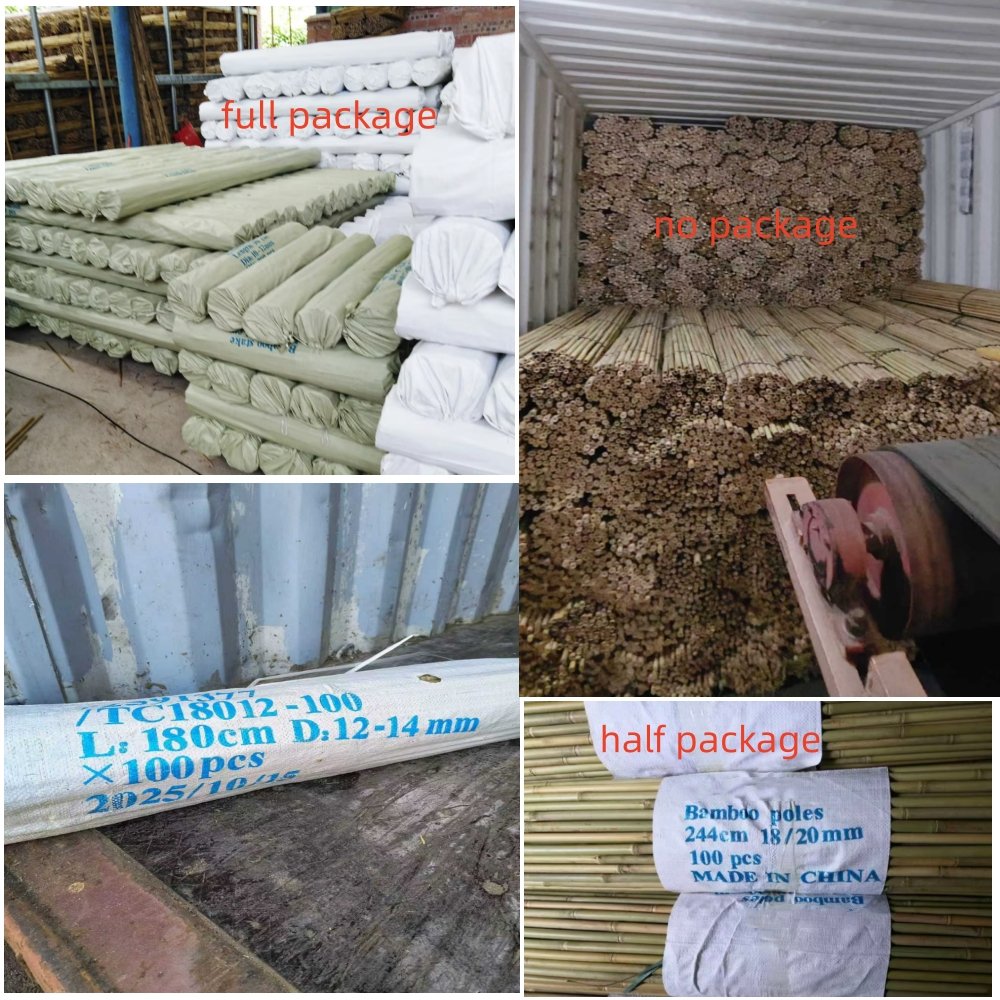
For wholesale orders, packaging is especially important. Discuss bundle quantities, bale bags, labeling, pallet requirements and container loading arrangements before confirming an order.
Application and Target Market
Let the supplier know how the bamboo canes will be used and where they will be sold. This helps the manufacturer recommend suitable specifications and packaging options.
The more clearly you describe your requirements, the easier it is to compare quotations and avoid misunderstandings during production.
2. Where Can You Find Bamboo Cane Suppliers in China?
There are several ways to identify potential suppliers.
B2B Platforms
Online B2B platforms such as Alibaba, Made-in-China and Global Sources allow buyers to compare suppliers, product ranges and quotations.
However, a supplier profile alone does not prove manufacturing capability. Buyers should check the company’s business background, product specialization, factory information and communication quality.
Google Search
Searching directly on Google can help you discover independent manufacturer websites.
Useful search terms include:
- Bamboo cane suppliers in China
- Bamboo sticks manufacturer
- Bamboo plant support stakes wholesale
- Agricultural bamboo poles supplier
- Bamboo sticks for gardening
Visiting a company’s official website can help you understand its product range, manufacturing focus and business background.
Trade Shows and Industry Exhibitions
Trade fairs provide opportunities to meet suppliers, inspect product samples and discuss business requirements face to face.
For international buyers, exhibitions can also help build direct communication with Chinese manufacturers and discover new products.
3. How to Evaluate Reliable Bamboo Cane Suppliers in China
Finding a supplier is only the first step. The next step is checking whether the company can meet your long-term purchasing requirements.
Here are five important factors to evaluate.
1. Manufacturing Experience and Product Specialization
Ask how long the company has been involved in bamboo production and whether bamboo products are its main business.
A supplier specializing in bamboo sticks and plant support products may understand product selection, processing requirements and quality expectations better than a general supplier handling many unrelated products.
2. Raw Material Selection
The quality of bamboo canes starts with the raw material.
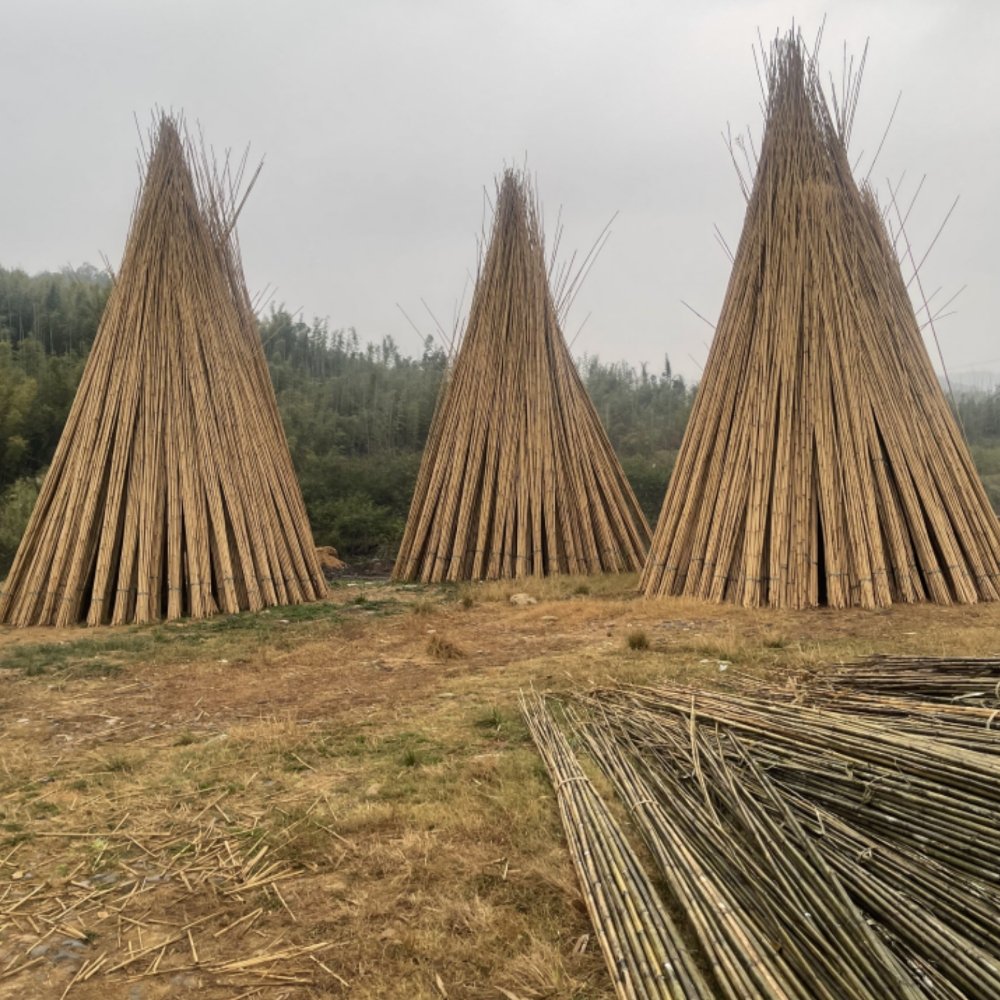
Bamboo maturity, natural characteristics, diameter and straightness can all influence the finished product.
Ask the supplier how raw materials are selected and whether they have a consistent source of bamboo for regular orders.

3. Production Capacity
If you are purchasing for wholesale distribution, production capacity is important.
Consider asking:
- Can the supplier handle repeat bulk orders?
- Can production maintain consistent dimensions?
- Are customized sizes available?
- Can the supplier arrange production according to your purchasing schedule?
A reliable supplier should be able to explain its production arrangements clearly.
4. Quality Control
Do not evaluate bamboo canes based only on photographs.
Request product samples and check:
- Diameter and length consistency
- Straightness and overall appearance
- Surface condition and finishing
- Strength and suitability for the intended application
- Color consistency, if colored products are required
You should also ask how the supplier checks products during and after production.
5. Export Experience and Communication
International orders involve more than manufacturing. Packaging, documentation, shipment arrangements and delivery schedules also need attention.
A supplier familiar with international orders should communicate clearly about quotations, production schedules, packaging details and shipping terms.
Professional communication helps reduce misunderstandings and makes repeat orders easier to manage.
4. Factory or Trading Company: Which Should You Choose?
Both factories and trading companies can serve international buyers, but their roles may be different.
Working with a manufacturer
A manufacturer may offer closer communication about production details, product customization and quality control. Buyers may also have more opportunities to understand the manufacturing process.
Working with a trading company
A trading company may offer products from different manufacturers and help buyers source multiple product categories through one contact.
Neither option is automatically better. The right choice depends on your purchasing requirements.
If bamboo canes are a regular part of your product range, working directly with a specialized manufacturer may be worth considering.
Before placing a large order, confirm the supplier’s actual role, production arrangements and responsibility for quality control.
5. How to Check Bamboo Cane Quality Before Ordering
Product samples are one of the most useful tools when evaluating a new supplier.
When you receive samples, compare them with your required specifications.
Check the dimensions
Measure the diameter and length to make sure they meet your requirements. If you need several sizes, check each specification separately.
Check appearance and surface quality
Look for excessive splitting, rough surfaces, uneven cutting or noticeable defects.
Check strength and suitability
Test the samples in a way that reflects their intended use. Bamboo canes used for supporting plants should be suitable for the size and weight of the plants they are designed to support.
Check color consistency
For colored bamboo sticks, compare samples under consistent lighting. Discuss acceptable color variations before mass production.
Confirm quality standards in writing
Before production, agree on product specifications, acceptable tolerances, packaging details and inspection requirements.
Clear written confirmation helps both sides understand what is expected.
6. Why Consider XIESHI for Your Bamboo Cane Orders?
At XIESHI, we focus on bamboo sticks and bamboo plant support products for agricultural, gardening and horticultural applications.
We understand that overseas buyers need more than a low quotation. They need suitable materials, consistent product specifications, careful quality checks and dependable arrangements for bulk orders.
Here are some of the areas we focus on:
Bamboo Material Selection
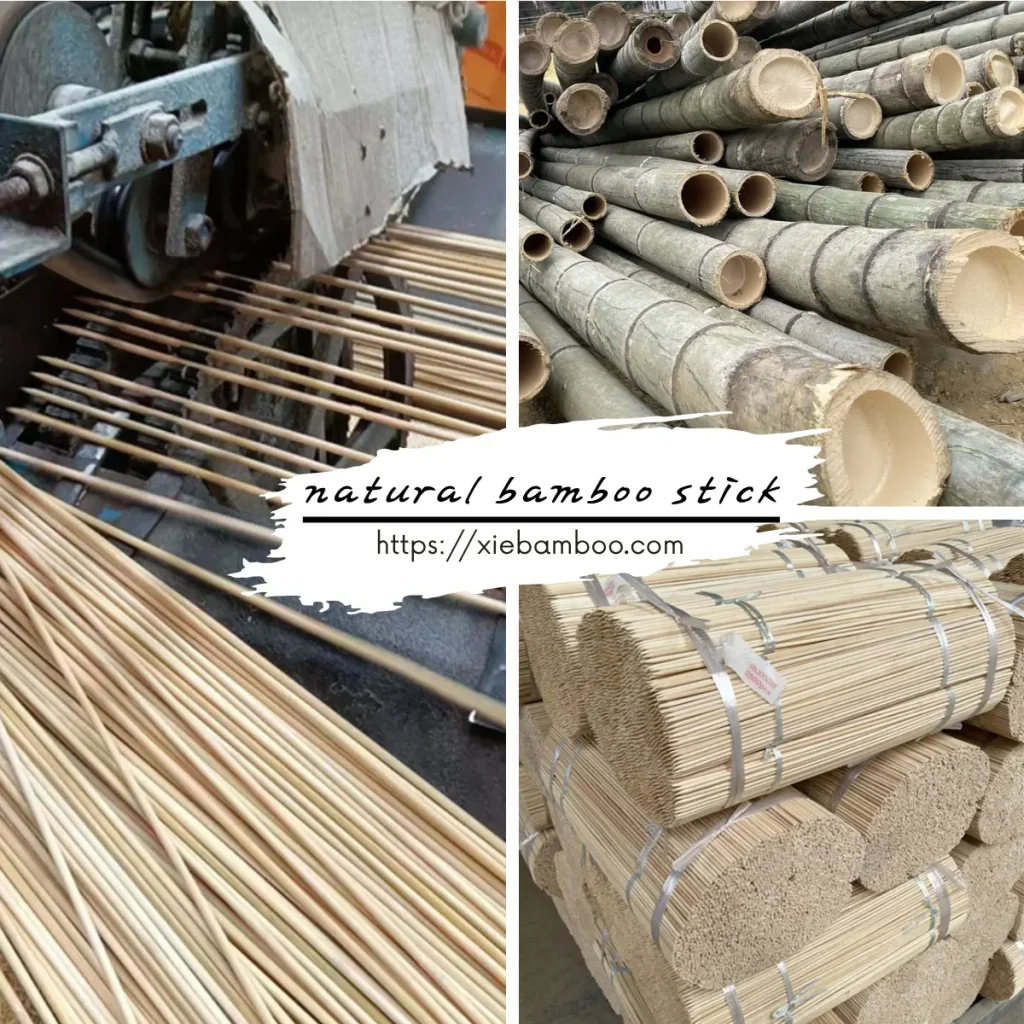
We select natural bamboo materials with attention to maturity, strength and appearance. Our bamboo materials are generally selected from mature bamboo aged around 3–5 years.
Product Range and Customization
Our products include natural bamboo sticks, bamboo canes, plant support stakes and colored bamboo sticks.
Different lengths, diameters, colors and packaging options can be discussed according to customer requirements.
Quality Inspection
We pay attention to product dimensions, surface condition, appearance and overall consistency. Our production process includes manual quality inspections to help reduce defective products and maintain stable quality.
Bulk Order Support
For wholesalers, importers and distributors, we understand the importance of production planning, packaging efficiency and shipment arrangements.
We aim to support customers with practical solutions for regular and bulk purchasing requirements.
Long-Term Cooperation
We value clear communication and long-term business relationships. Whether you are sourcing bamboo canes for the first time or looking for an additional supplier, we welcome the opportunity to understand your requirements.
Explore our bamboo sticks and plant support products to learn more about our product range.
7. Common Mistakes to Avoid When Sourcing Bamboo Canes
Even experienced buyers can encounter problems when sourcing from a new supplier. Here are some common mistakes to avoid.
Choosing a Supplier Based Only on Price
The lowest quotation does not always represent the best value. Inconsistent quality, poor packaging or unexpected defects can increase the actual cost of purchasing.
Not Requesting Samples
Samples allow you to evaluate the product before committing to a large order. Do not skip this step when working with a new supplier.
Ignoring Packaging Details
Packaging affects product protection, storage, container loading and final presentation. Confirm packaging specifications before production begins.
Not Confirming Specifications in Writing
Always confirm diameter, length, color, finishing, quantity and packaging in writing. This reduces the risk of misunderstandings.
Ignoring Communication Before Ordering
The way a supplier responds to questions before an order can provide useful insight into how communication may work during production and shipment.
8. Tips for First-Time Bamboo Cane Buyers
If you are importing bamboo canes from China for the first time, consider the following steps:
- Prepare a clear list of product specifications.
- Contact several relevant suppliers and compare their responses.
- Request samples before placing a large order.
- Confirm quality requirements and packaging details in writing.
- Discuss production lead time and shipping arrangements.
- Start with an order quantity that matches your business needs.
- Keep communication records for future repeat orders.
Building a reliable supplier relationship takes time, but careful preparation can help reduce purchasing risks and support long-term cooperation.
Conclusion: Choose a Bamboo Cane Supplier for Long-Term Cooperation
Finding reliable bamboo cane suppliers in China requires careful evaluation of product quality, raw materials, manufacturing capability, communication and export arrangements.
For international buyers, the best supplier is not necessarily the one offering the lowest price. It is the one that understands your requirements and can provide suitable products with consistent quality and dependable service.
At XIESHI, we specialize in bamboo sticks and plant support products for overseas buyers. We welcome inquiries from wholesalers, importers, distributors and gardening product businesses looking for a reliable bamboo product supplier in China.
Looking for a bamboo cane supplier for your next order?
Contact XIESHI with your required dimensions, quantities, colors and packaging preferences. Choosing reliable bamboo cane suppliers in China can help reduce sourcing risks and build a stable long-term supply relationship.
We will be happy to discuss your requirements and provide a suitable quotation.
Email: info@xiebamboo.com
Website: https://xiebamboo.com